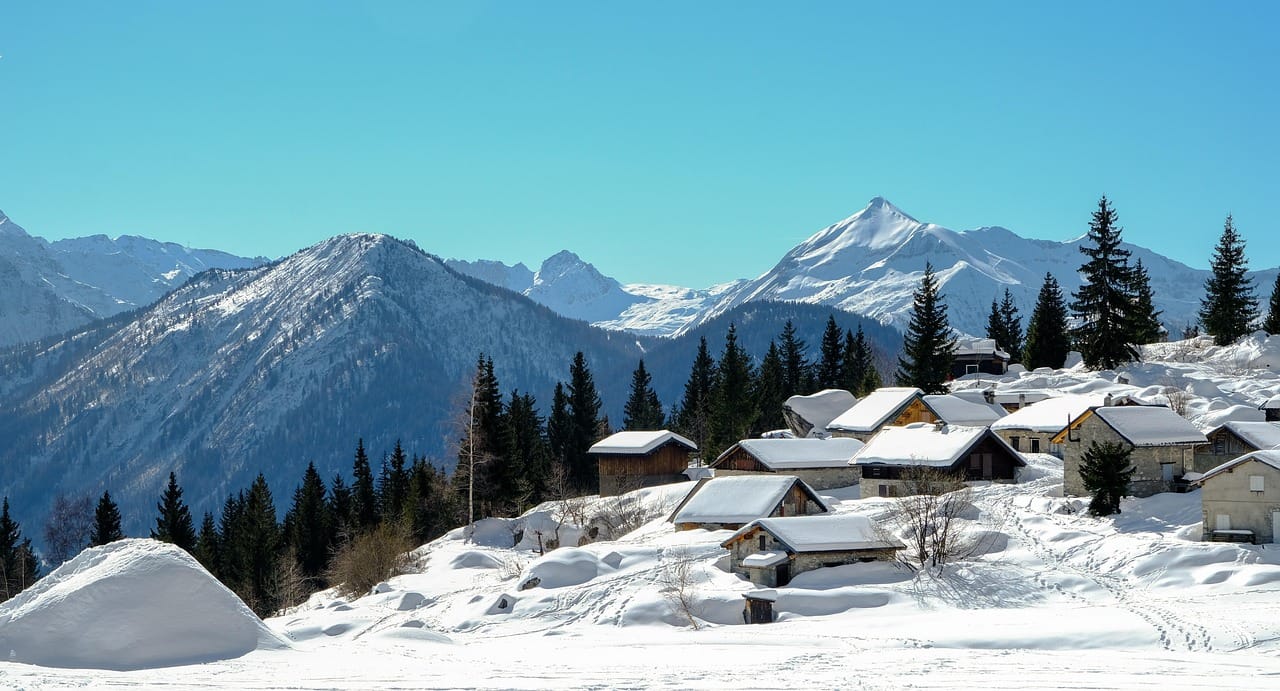
Why Megève Was Not Born from Tourism
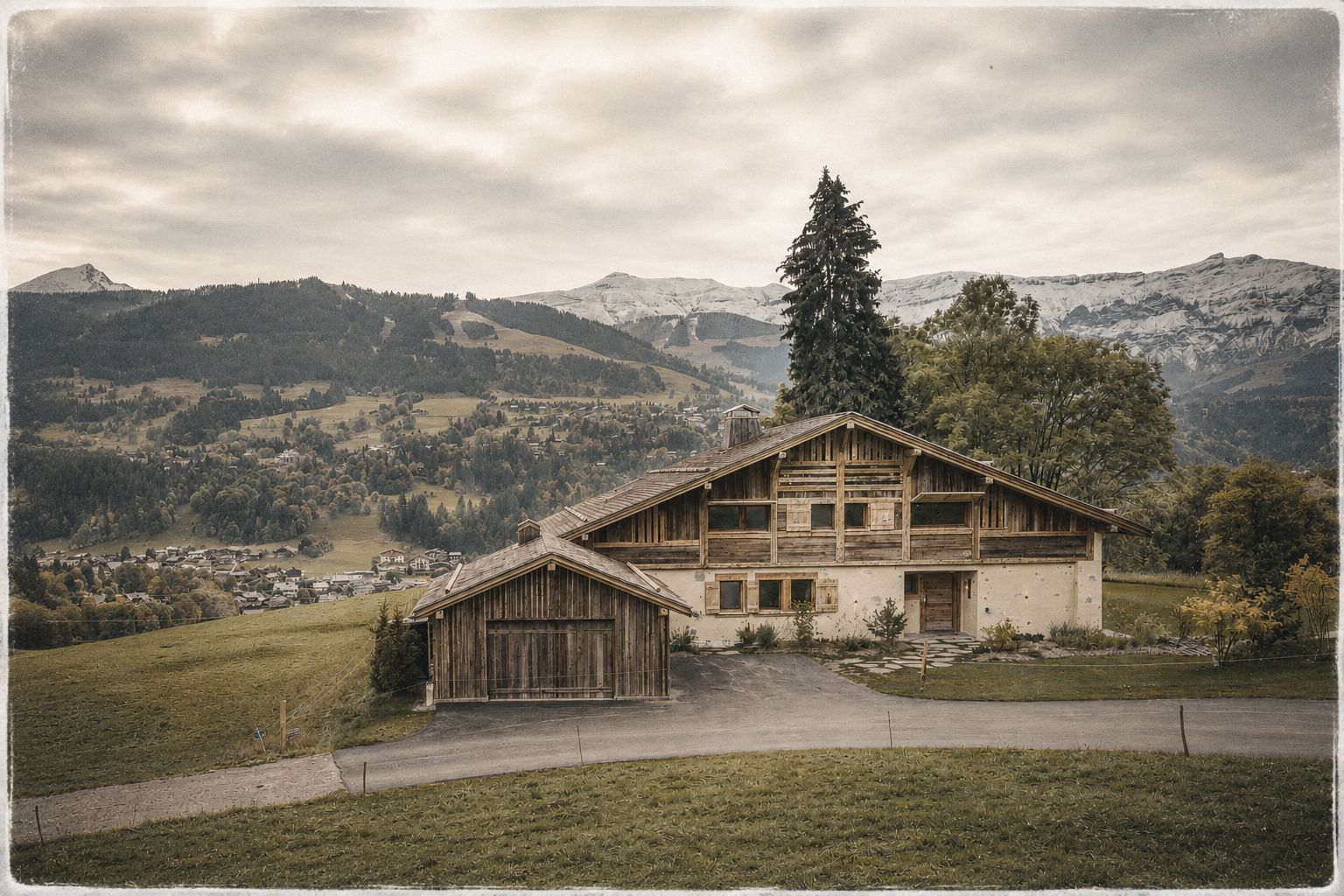
Megève & Tourism
Most people discover Megève through its chalets, ski slopes and luxury hotels.
But none of these came first.
Long before Megève became a destination, it was a working mountain community shaped by farming, craftsmanship and a way of life dictated by the landscape itself.
To understand why Megève remains one of the most desirable destinations in the Alps today, it helps to look beyond tourism and back to its origins.
Before Skiing, There Were Farms
Unlike many Alpine resorts built at higher elevations, Megève developed on land that could support agriculture.
Its rolling slopes, fertile pastures and extensive alpine meadows allowed generations of families to live from the mountain.
The landscape visitors admire today was not designed for tourism.
It was shaped by centuries of farming.
The open views, scattered farmsteads and vast alpine pastures surrounding the village are the legacy of a territory that was inhabited and cultivated long before it became fashionable.
A Landscape Built With Purpose
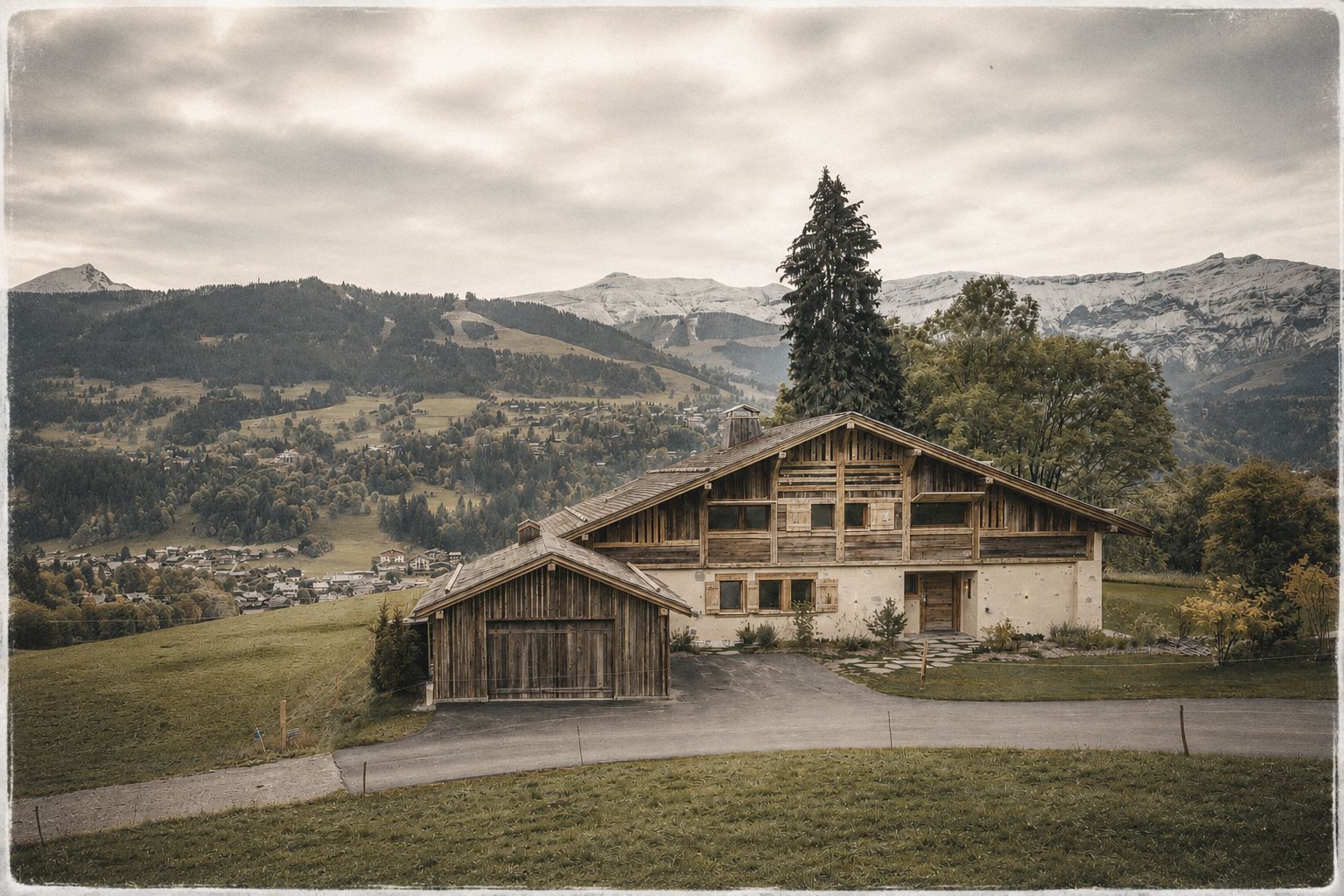
In Megève, every building had a reason for being exactly where it stood.
Many traditional farms were deliberately built below the fields they worked.
The logic was simple.
When hay was harvested, gravity helped carry it directly into the barn.
The mountain itself became part of the process.
What may appear picturesque today was once a remarkably efficient system built around practicality, experience and an intimate understanding of the terrain.
The Montagny Roof Was Never About Design
One of the defining features of traditional Megève architecture is the montagny roof.
Today it is admired for its character and elegance.
Originally, it was a response to winter.
Heavy snowfall was a fact of life, and local builders developed roof structures capable of coping with enormous snow loads year after year.
The distinctive shape of the montagny, slightly lower at the rear, helped buildings withstand the harsh realities of mountain winters.
Its beauty came later.
Its purpose came first.
Before Old Wood Became Luxury
Aged timber has become one of the defining features of Alpine architecture.
In Megève, however, reclaimed wood was being reused long before it became fashionable.
For generations, local craftsmen dismantled old farms and carefully repurposed their structural timber in new buildings.
Ancient beams, weathered by decades of mountain life, found a second life in homes throughout the region.
Much of what is considered authentic Alpine luxury today has its roots in this local tradition.
Tourism Didn't Create Megève
When visitors first arrived in Megève during the early twentieth century, they did not discover a resort waiting to be built.
They found a living village.
A place with its own architecture, traditions and identity.
The arrival of tourism, followed by the influence of the Rothschild family, accelerated Megève's development and international reputation.
But it did not create its character.
That character already existed.
Tourism simply brought it to a wider audience.
What Still Makes Megève Different Today
Resorts evolve. Trends change. Generations come and go.
Yet Megève continues to attract families, homeowners and visitors from around the world.
Part of that appeal lies in its accessibility, its year-round lifestyle and its proximity to Geneva.
But much of it comes from something harder to define.
Megève feels authentic because it is.
The farms, the landscapes, the architecture and even many of the chalets admired today are not recreations of mountain life.
They are the continuation of it.
And perhaps that is why Megève has endured for so long.
Not because it was built for tourism.
But because it never was.