History of Saint-Tropez
The Sea Before the Legend
Today, Saint-Tropez is synonymous with superyachts, beach clubs, luxury villas and long summer lunches overlooking the harbour.
Yet long before it became one of the Mediterranean's most celebrated destinations, Saint-Tropez was something entirely different.
It was a working fishing village whose fortunes were shaped by the sea.
Here, the Mediterranean was never simply a beautiful backdrop.
It provided food, trade, protection and opportunity.
To understand Saint-Tropez today, it is worth looking beyond the legend and back to the coastline that gave the village its identity.
A Natural Harbour
Saint-Tropez exists here for one simple reason.
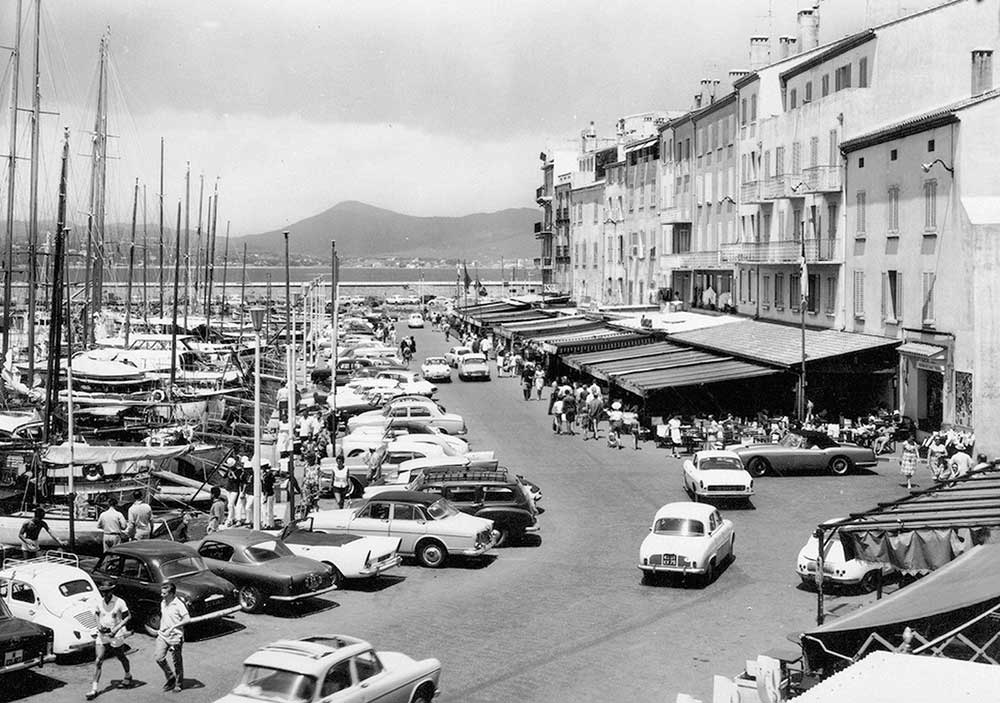
Its sheltered gulf offered one of the safest natural anchorages along this stretch of the Mediterranean.
Protected from prevailing winds and ideally positioned for maritime trade, it became a natural refuge for fishermen, merchants and sailors long before leisure boating existed.
Like many remarkable places, geography wrote the first chapter long before history made it famous.
A Village Built Around the Harbour
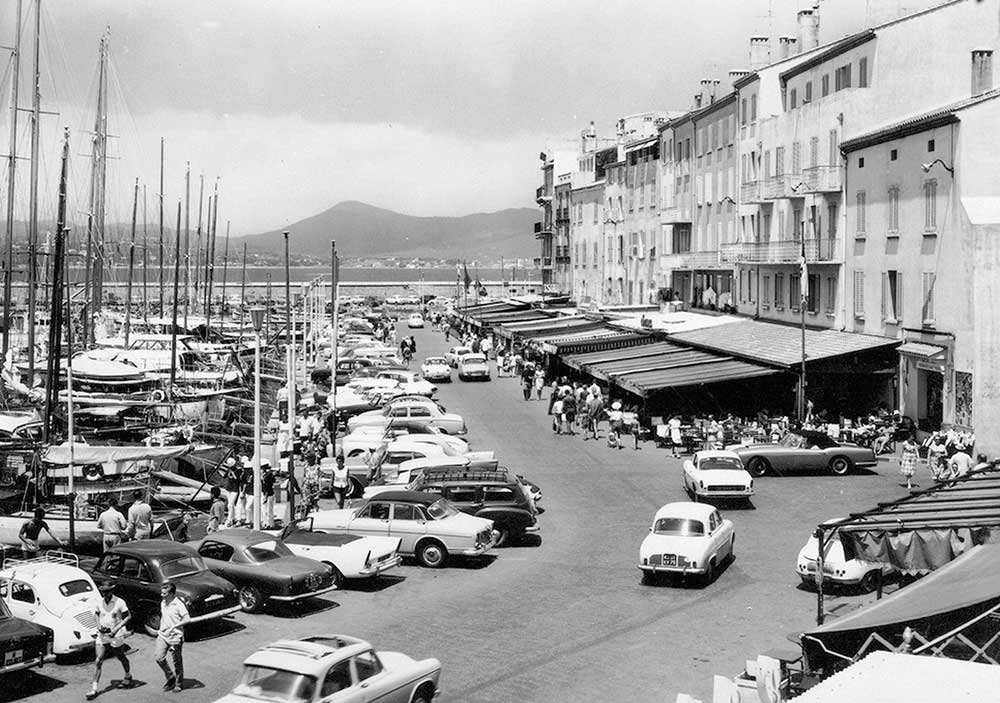
For centuries, life in Saint-Tropez revolved entirely around the port.
The narrow streets, tightly grouped houses and colourful waterfront were never conceived as picturesque scenery.
They reflected the practical needs of a working Mediterranean village.
Shade during the summer.
Shelter from coastal winds.
Easy access to the harbour.
What visitors admire today was originally designed for everyday life rather than tourism.
The Bell Tower That Guided Sailors Home
Few landmarks define Saint-Tropez more than its distinctive ochre and yellow bell tower.
Long before becoming one of Provence's most photographed monuments, it served as a visual landmark for sailors returning to the harbour.
Visible from offshore, it marked the final approach home.
Today it remains one of the village's defining symbols — a reminder that Saint-Tropez has always looked towards the sea.
The Citadel Watching Over the Gulf
Standing above the village since the late sixteenth century, the Citadel was never built for its panoramic views.
Its purpose was defence.
From its commanding position, it protected the harbour and monitored maritime approaches at a time when Mediterranean raids were a constant threat.
The views are spectacular today.
Originally, they were strategic.
Place des Lices: The Village's Living Heart
A short walk from the harbour lies Place des Lices.
Long before becoming famous for pétanque beneath its plane trees, it served as Saint-Tropez's marketplace and gathering place.
Farmers, fishermen, merchants and local families met here throughout the seasons.
Despite the village's international reputation, it remains one of the few places where everyday life still unfolds at its own pace.
Before the Celebrities Came the Artists
Towards the end of the nineteenth century, another group discovered Saint-Tropez.
Artists.
Paul Signac arrived in 1892 and soon made the village his home.
Henri Matisse, Henri-Edmond Cross and other painters followed, captivated by a Mediterranean light unlike anywhere else.
Long before photographers, celebrities and social media transformed Saint-Tropez into a global icon, painters had already recognised something extraordinary.
The light came first.
The fame followed.
The Legend Didn't Create Saint-Tropez
The 1950s brought Brigitte Bardot.
Later came the yachts, beach clubs and international glamour.
Together they created the legend the world knows today.
But they did not create Saint-Tropez.
They simply revealed a village whose identity had already been shaped over centuries.
Like Megève, Saint-Tropez did not become remarkable because of tourism.
Tourism merely introduced it to the world.
More Than a Destination
Trends evolve.
Generations change.
So do the ways people experience luxury.
Yet Saint-Tropez remains one of the Mediterranean's most enduring destinations.
Its historic harbour, preserved heritage, exceptional coastline and unmistakable way of life continue to attract an international clientele looking for something that extends far beyond the summer season.
The harbour remains the village's heartbeat.
Place des Lices still brings people together.
The bell tower continues to watch over the bay.
The Citadel still overlooks the gulf.
And perhaps that is Saint-Tropez's greatest strength.
Its identity was never invented.
It was shaped by the sea.
The legend came afterwards.